
You’ve spent months, maybe years, watching your dad’s memory slip. You’ve read about dementia staging, spent time asking the neurologist the hard questions, maybe even collecting home care brochures. Your mom has always been the reliable one. She’s fine, you tell yourself. She’s always been fine. She’s the one holding the clipboard at every appointment, the one who knows which pills go with breakfast and which ones upset his stomach on an empty one. She’s the reason the house hasn’t fallen apart at the seams.
But “fine” isn’t a diagnosis. And the parent you’ve been watching may not be the one who needs you most right now.
An Alzheimer’s Foundation Study That Finally Asked the Right Question
In August, the Alzheimer’s Foundation of America launched the first national research study built specifically around a question nobody had bothered to answer with real data: what does caring for a spouse with dementia actually do to the caregiver, physically and mentally, over time?
Donna de Levante Raphael, AFA’s Director of Research and the study’s principal investigator, put the gap plainly: there is “a lack of quantifiable, evidence-based data on what caregiving does to the spousal caregiver.” Almost every dollar of dementia research has gone toward the person diagnosed. Almost none of it has gone toward the person standing next to them, year after year, often while aging through their own health challenges at the same time.
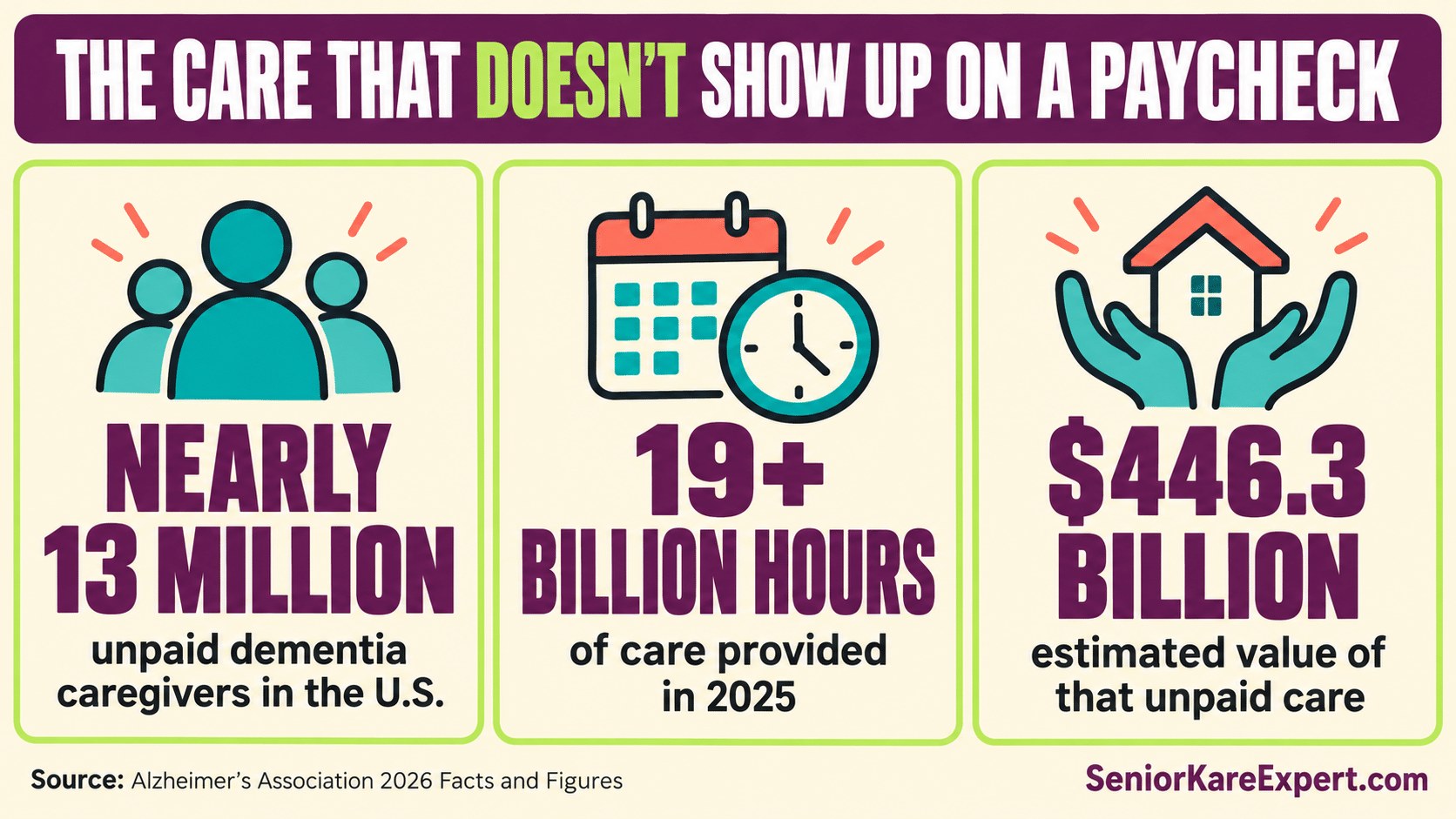
That gap isn’t academic. The Alzheimer’s Association’s 2026 Facts and Figures report puts the scale of it at nearly 13 million unpaid dementia caregivers in the U.S., providing more than 19 billion hours of care in 2025 alone, worth an estimated $446.3 billion. A large share of those caregivers are spouses: people in their 70s and 80s providing round-the-clock care for a partner, with no real data tracking what it’s doing to them.
Why the “Fine” Parent Won’t Ask for Help
If you’ve tried to bring up outside help and hit a wall, you already know what that resistance is like. It usually isn’t about money, or even really about accepting “strangers” in the home. It’s pride, and it’s generational. Your parents came up in a world where asking for help, or accepting it, read as weakness. Admitting they need another set of hands in the house can feel, to them, like admitting the marriage itself is failing.
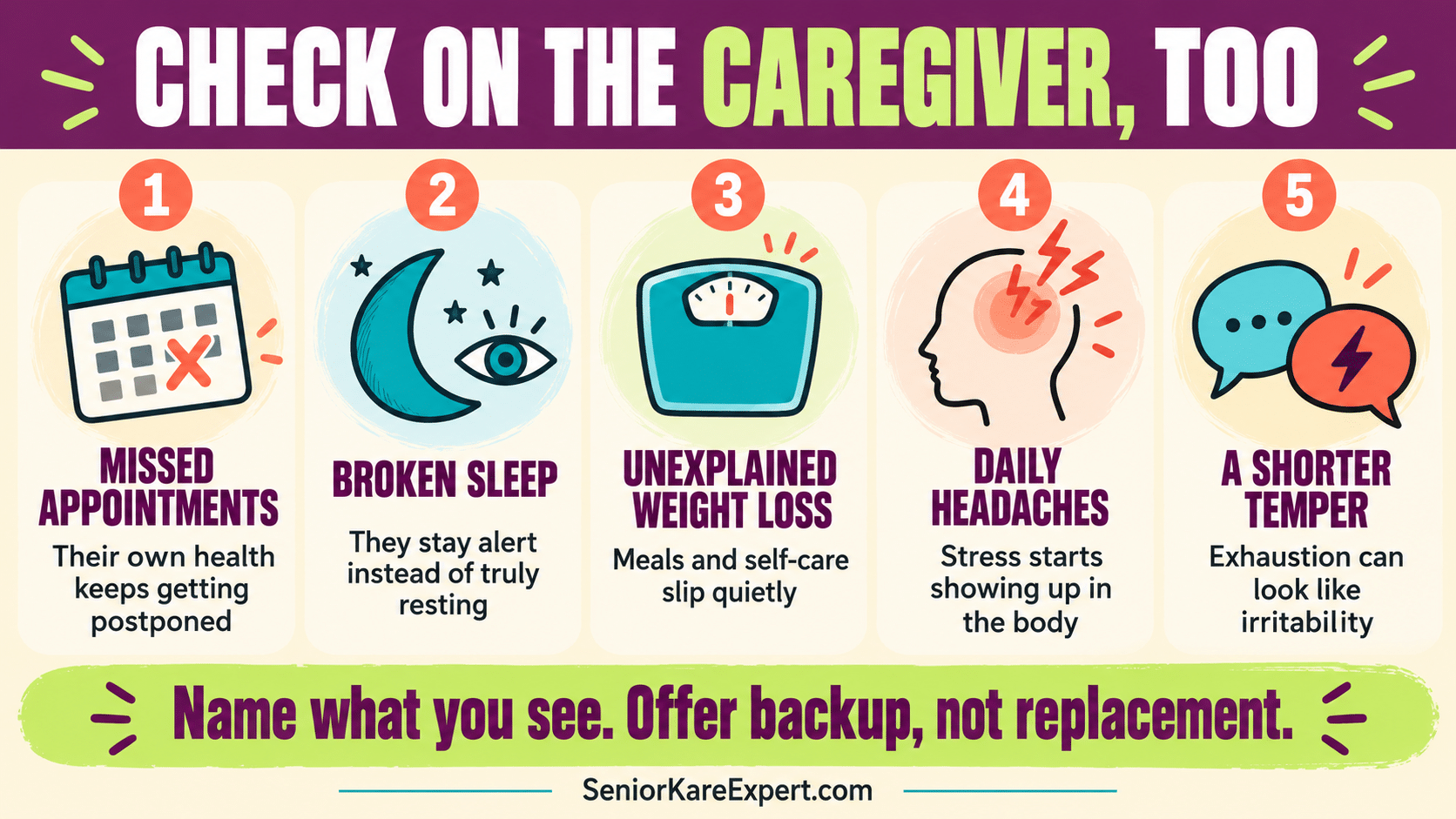
There’s often fear underneath the pride, too: a worry that letting someone else in is the first step toward their spouse being “taken away.” So they keep running the household alone, even when running it is visibly wearing them down. Sometimes that looks dramatic, like staying within earshot all night instead of sleeping in their own bed. More often it’s quieter: skipped doctor’s appointments, weight loss nobody mentions, a short temper that wasn’t there five years ago.
None of that means you’re overreacting, and it doesn’t mean your parent is failing. I’ve written before about why getting help for an aging parent isn’t failing them — the short version is that love was never a substitute for training, and a parent who’s exhausted after years of caregiving isn’t doing anything wrong. They’re doing something that was never meant to be done alone.
The Real Cost of Waiting
Here’s what tends to happen when a spousal caregiver keeps going without support: the toll shows up in their body before anyone names it out loud. High blood pressure. Disrupted sleep that never resolves. Headaches that become a daily fact of life instead of an occasional one. Weight that drops without anyone trying to lose it. By the time a family notices, it’s often because the caregiving parent ends up needing medical care themselves, which means two people in the household suddenly need help instead of one.
This is the part of the math nobody wants to run. A parent who collapses from exhaustion doesn’t just need to recover. They need to recover while someone else figures out, overnight, how to keep their spouse safe, fed, and medicated. Waiting for a crisis to force the conversation is the most expensive version of this story, not the cheapest.
I wrote recently about why being worth a trillion dollars a year doesn’t pay anyone’s electric bill, and the same logic applies here. Love and devotion are real. They’re also not a staffing plan.
What You Can Actually Do, Without Taking Over
You don’t have to stage an intervention, and you shouldn’t try to take the caregiving role away from your parent outright. That usually backfires, and it isn’t what they want anyway. What works better is smaller and more specific.
- Name what you’re seeing, not what you’re diagnosing. Instead of “You seem burned out,” try “I noticed you haven’t been to your own doctor since spring.” Specific observations are harder to wave off than general concern.
- Offer help that doesn’t require surrender. A few hours of in-home respite care a week isn’t the same as “putting Dad in a home.” Frame it as backup, not replacement.
- Loop in their doctor. A caregiving parent will often listen to a physician’s concern about their own health before they’ll listen to yours. Ask the doctor directly about caregiver strain at the next appointment.
- Watch for the warning signs, not just the big moments. Weight loss, missed appointments, and a short temper are data. Treat them that way instead of letting them become “just how Mom is now.”
- Start the conversation before you need an answer that day. The earlier you raise it, the less it feels like an emergency and the more it feels like planning.
The parent diagnosed with dementia will always get the attention first. That’s natural, and it isn’t wrong. But the parent quietly running the household around that diagnosis deserves the same question you’d ask about anyone wearing down in front of you: who’s taking care of them?
Frequently Asked Questions
Who is “the caregiver no one’s focused on”?
In many families, workplaces, and care systems, the least recognized caregiver is the person who is quietly holding everything together without being formally identified as a caregiver at all. This may be a spouse managing medications and appointments, an adult child coordinating transportation and finances, a grandparent raising grandchildren, a sibling supporting a loved one with a disability, or even a parent trying to care for a child while also helping aging relatives. These individuals often do not call themselves caregivers because what they do feels like love, duty, or simply “what has to be done.” That lack of identification matters, because people who do not see themselves as caregivers are less likely to seek help, use available resources, or recognize when stress is beginning to affect their health. The phrase points to the overlooked person behind the scenes—the one providing emotional support, practical help, advocacy, and daily supervision while receiving far less attention than the person they are caring for.Why are so many caregivers overlooked or unsupported?
Caregivers are often overlooked because caregiving tends to develop gradually rather than all at once. A family member starts helping with groceries, then attends medical visits, then begins managing medications, mobility, meals, and personal care. Because the role grows in small steps, it can remain invisible to others for a long time. Health care systems also tend to focus, understandably, on the patient, but that can leave the caregiver’s needs unaddressed. Friends and relatives may assume the caregiver is “handling it,” especially if that person appears competent, dependable, and calm. Cultural expectations play a role as well. In many families, caregiving is seen as a private responsibility, and asking for help may feel uncomfortable or even selfish. Financial pressures, work obligations, and geographic distance can also isolate caregivers, making support harder to access. The result is a common and serious problem: the person sustaining the care may be physically exhausted, emotionally drained, and financially strained, yet still remain largely invisible to the very systems around them.What are the signs that a caregiver is under too much stress?
Caregiver stress can show up in emotional, physical, and behavioral ways, and it is important to recognize it early. Common emotional signs include irritability, anxiety, sadness, guilt, resentment, hopelessness, or feeling numb. Physically, caregivers may experience fatigue, headaches, poor sleep, changes in appetite, frequent illness, muscle tension, or worsening of their own chronic health conditions. Behaviorally, warning signs often include withdrawing from friends, missing work, neglecting personal medical appointments, losing patience more easily, relying more heavily on alcohol or other unhealthy coping habits, or feeling unable to take even a short break. Some caregivers also begin to feel as though they are always “on alert,” never fully able to relax. One of the clearest signs is when daily tasks start to feel unmanageable, even tasks the caregiver used to handle well. Stress does not mean someone is failing; it means the demands may be exceeding the support available. Recognizing that imbalance is the first step toward protecting both the caregiver’s well-being and the quality of care they provide.How can caregivers protect their own health without feeling guilty?
One of the most important mindset shifts for caregivers is understanding that self-care is not a luxury and it is not selfish. It is part of responsible caregiving. A caregiver who is chronically exhausted, emotionally depleted, or medically neglected cannot sustain quality care over time. Protecting personal health starts with basic but essential actions: keeping regular medical appointments, getting enough rest whenever possible, eating consistently, staying hydrated, moving the body, and accepting help when it is offered. It also means setting realistic boundaries. Not every task has to be done by one person, and not every request must be answered immediately. Caregivers can reduce guilt by reframing support as a care strategy rather than a personal indulgence. Respite care, counseling, support groups, workplace flexibility, and help from family members are not signs of weakness; they are tools that strengthen long-term caregiving capacity. Even small routines—a 10-minute walk, a weekly check-in with a friend, a shared calendar with other helpers, or one protected hour of rest—can make a meaningful difference. Caring for oneself and caring for a loved one are not competing priorities; they are deeply connected.What kinds of support are most helpful for an overlooked caregiver?
The most helpful support is usually practical, specific, and consistent. General statements like “Let me know if you need anything” are kind, but many caregivers are too overwhelmed to identify, organize, and delegate tasks on the spot. More effective support looks like offering to drive to appointments, deliver meals, sit with a loved one for two hours, pick up prescriptions, help with paperwork, contribute financially, or take over one recurring responsibility each week. Emotional support matters too. Caregivers benefit from being asked not just how the patient is doing, but how they are doing. Being seen, listened to, and taken seriously can reduce isolation in a powerful way. Professional support can also be critical, including therapy, caregiver support groups, case management, home health services, respite care, and legal or financial planning guidance. Employers can help through flexible schedules, remote work options, or caregiver leave policies. Ultimately, the best support recognizes that caregivers need more than praise—they need relief, validation, and systems that make their role more sustainable. When support is concrete and ongoing, caregivers are better able to preserve their health, maintain stability, and continue showing up for the people who depend on them.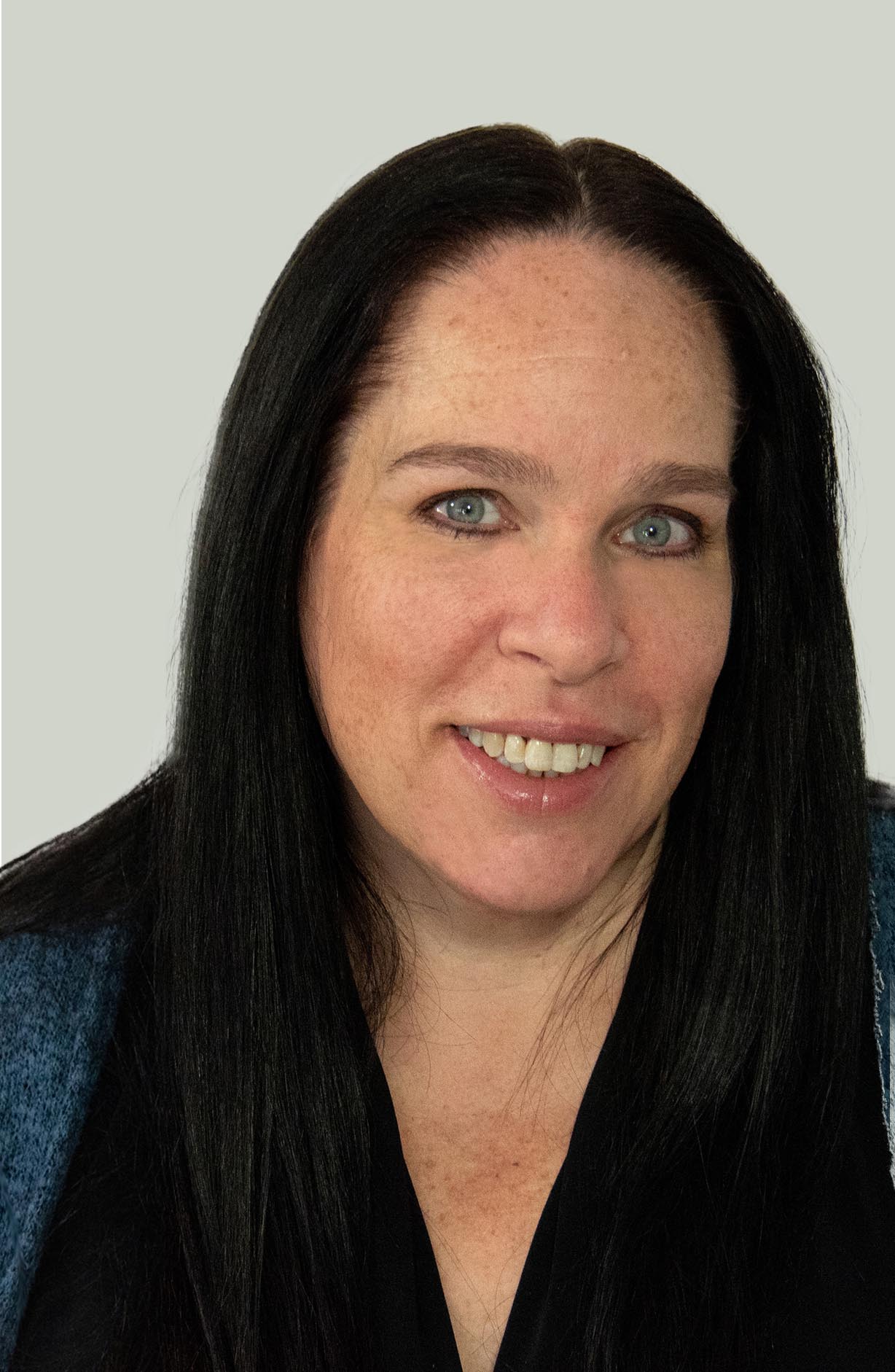
Stacey Eisenberg’s connection to senior care didn’t start with a job posting. It started at age three, in the activity room of a Coney Island nursing home where her mother worked. Growing up inside nursing homes in the 1970s and ’80s, she witnessed what genuine caregiving looked like before the industry got complicated by paperwork, liability, and the relentless pressure to do more with less. That became the standard she has spent her career trying to restore — bringing the Care back to caregiving.
By 13, Stacey had her first official job in senior care. Over the past four decades, she has worked across virtually every setting: nursing homes, assisted living communities, memory care residences, rehab centers, hospitals, and independent living. She served as Director of Fun for nearly 300 independently living seniors, coordinating daily events, activities, and outings.
Today, Stacey and her husband Bryan own A Place At Home – North Austin, an award-winning home care agency serving families across Round Rock, Georgetown, Cedar Park, Leander, Hutto, and surrounding Central Texas communities. Their agency has been voted Best Home Care Agency in Round Rock two years running (2024 and 2025) and received national recognition from Activated Insights as both a Best of Home Care Provider of Choice and Employer of Choice in 2025.
Stacey is a trained recreation therapist and serves as a Community Educator for the Alzheimer’s Association: Capital of Texas chapter. She serves as Treasurer on the Adult Protective Services Advisory Board and as Community Awareness Chair for the Aging Services Council. She co-facilitates the Williamson County Health Resource networking group and is a member of the National Aging in Place Coalition. In 2025, she was recognized as a finalist in the Woman of Wilco awards and is the creator of Peter’s Memory Beads, a passion project to raise funds for the Alzheimer’s Association.
Her expertise has been featured in U.S. News and World Report, AARP, and Care.com.