

There are lots of people talking about the possibility of a Federal Government shutdown this week, but you are talking about how it affects our seniors. When the gates of government operations creak to a halt during a shutdown, a ripple of concern spreads across communities nationwide, landing heavily upon the shoulders of our senior citizens. The elderly, many of whom have structured their post-retirement lives around federal benefits and services, find themselves navigating a labyrinth of uncertainties. This article delves into the multifaceted impact of government shutdowns on seniors, bringing to light the financial, medical, and emotional strains they endure, and discussing the broader societal implications.
The Financial Lifeline: Social Security Payments
At the forefront of concerns is the delay or halt in Social Security payments, which form the financial bedrock for numerous seniors. These payments, often awaited with bated breath towards the end of each month, are expended on groceries, medications, utility bills, and other essential living expenses. A delay, even if it’s a slight one, could mean a cupboard bereft of food or a skipped medical dose – scenarios that are not only distressing but potentially perilous.
The Healthcare Cornerstone: Medicare and Medicaid
Healthcare is an indispensable pillar in the lives of seniors, many of whom grapple with chronic ailments requiring regular medical attention. The Medicare and Medicaid programs, which subsidize healthcare costs for the elderly, may encounter operational hiccups during a government shutdown. The disruption could range from delayed disbursements to healthcare providers, to a temporary freeze on processing new enrollments. The result is a barrier to crucial medical services, making a dire situation even worse for seniors.
Community Support: Meals on Wheels and Senior Centers
Community services like Meals on Wheels and senior centers form a vital support network for seniors, offering not just meals but also a social engagement platform. Government shutdowns can choke the funding pipelines for these programs, paralyzing their ability to serve the elderly. The loss of these services, even momentarily, could lead to hunger, isolation, and a diminished quality of life for seniors.
Employment Woes: Seniors in the Federal Workforce
Not all seniors are retired; some continue to work, either as federal employees or contractors. A government shutdown pummels this segment of the elderly population with furloughs or delayed payments, pushing them into a financial quagmire. The precariousness of their employment status not only tightens the noose of financial security but also catapults stress levels, impacting their overall well-being.
The Emotional Toll: Stress and Family Dynamics
The financial and healthcare anxieties triggered by a government shutdown are not solitary issues; they burgeon into an emotional turmoil that’s equally taxing. Seniors may experience heightened levels of stress, anxiety, or depression, aggravated by a sense of helplessness or fear of being a burden to their families. This emotional strain could extend to family dynamics, creating tension as family members rally to provide support.
The Lingering Shadow: Post-Shutdown Repercussions
The resumption of government operations doesn’t signal an immediate return to normalcy for seniors. The missed medical appointments, the emotional distress, and the financial dents created during the shutdown period could have long-lasting effects. Re-establishing the erstwhile routine and recuperating from the financial losses might take weeks, if not months, unveiling a long trail of recovery post-shutdown.
The repercussions of a government shutdown on seniors transcend beyond the temporary inconveniences often highlighted in news snippets. It’s a profound, far-reaching impact touching the core of financial, healthcare, and emotional well-being. As policy deliberations and budgetary tussles continue to dance on the political stage, it’s imperative to cast a thoughtful eye on the human story unfolding in the backdrop, especially the narrative of our seniors. By nurturing a deeper understanding and fostering supportive measures, we can aim to cushion the blows dealt by such governmental impasses on our elderly population, ensuring their dignity and well-being remain unscathed in the face of adversity.
📸 Image by Freepik
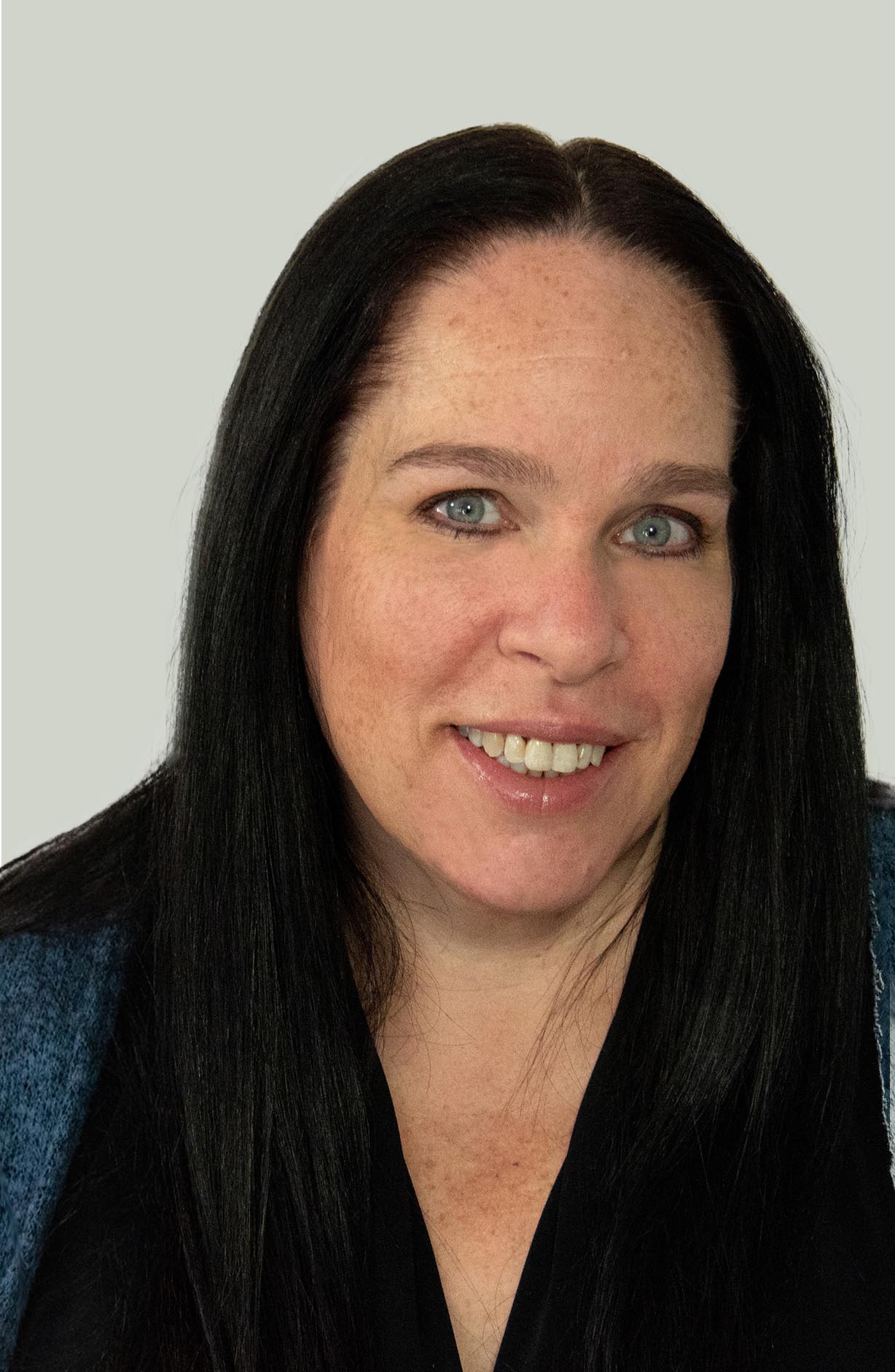
Stacey Eisenberg’s connection to senior care didn’t start with a job posting. It started at age three, in the activity room of a Coney Island nursing home where her mother worked. Growing up inside nursing homes in the 1970s and ’80s, she witnessed what genuine caregiving looked like before the industry got complicated by paperwork, liability, and the relentless pressure to do more with less. That became the standard she has spent her career trying to restore — bringing the Care back to caregiving.
By 13, Stacey had her first official job in senior care. Over the past four decades, she has worked across virtually every setting: nursing homes, assisted living communities, memory care residences, rehab centers, hospitals, and independent living. She served as Director of Fun for nearly 300 independently living seniors, coordinating daily events, activities, and outings.
Today, Stacey and her husband Bryan own A Place At Home – North Austin, an award-winning home care agency serving families across Round Rock, Georgetown, Cedar Park, Leander, Hutto, and surrounding Central Texas communities. Their agency has been voted Best Home Care Agency in Round Rock two years running (2024 and 2025) and received national recognition from Activated Insights as both a Best of Home Care Provider of Choice and Employer of Choice in 2025.
Stacey is a trained recreation therapist and serves as a Community Educator for the Alzheimer’s Association: Capital of Texas chapter. She serves as Treasurer on the Adult Protective Services Advisory Board and as Community Awareness Chair for the Aging Services Council. She co-facilitates the Williamson County Health Resource networking group and is a member of the National Aging in Place Coalition. In 2025, she was recognized as a finalist in the Woman of Wilco awards and is the creator of Peter’s Memory Beads, a passion project to raise funds for the Alzheimer’s Association.
Her expertise has been featured in U.S. News and World Report, AARP, and Care.com.