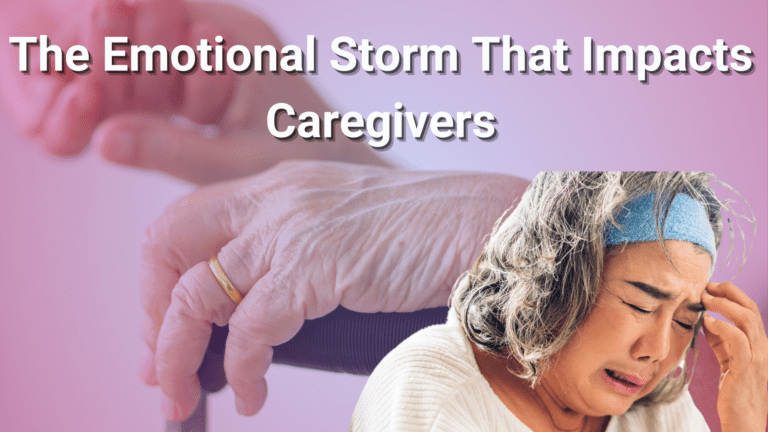
Wake up each day feeling a mix of love, worry, and exhaustion? Caregivers often feel a deep sense of responsibility and dedication. But often mixed in, there’s a shadow of stress, guilt, and frustration. You might feel overwhelmed by the constant demands, anxiety about your loved one’s health, and guilt for sometimes wanting some “me” time. We need to realize that all these emotions are common and valid.
Caregiving is a noble and selfless act, and while it is both those things, there’s often an unspoken emotional toll that families rarely admit to or try to do anything to feel better. Caregivers experience stress and burnout, feeling overwhelmed by the non-stop demands of work, life and caregiving. They struggle with guilt, wondering if they’re doing enough or resenting the sacrifice of their personal time and potentially dealing with an angry, resistant and difficult loved one.
For seniors, and or disabled veterans, who may now need to depend on others, this can lead to feelings of frustration and sadness. It’s hard to make the shift from being the person who took care of everything to needing any help with daily tasks. This shift can cause a significant emotional strain, impacting their self-esteem and overall happiness.
This emotional impact often impacts the family, altering dynamics and relationships. Non-caregiving family members might feel guilty for not contributing more or may become frustrated with the caregiver and their attitudes. There can be tension over the caregiving responsibilities. The unspoken issues of resentment, and emotional fatigue often linger underneath the surface, adding another layer to an already challenging situation.
@thesimplestself A message to you if you’re a caregiver. #caregiving #caregiversoftiktok #momsoftiktok #anxiety #healingjourney #traumahealing #complextrauma ♬ original sound – The Simplest Self
The Emotional Rollercoaster for Caregivers
According to the AARP and NAC 2020 Report on Caregiving, caregivers often face high levels of stress due to the demands of their role. This stress can quickly lead to burnout, as many caregivers juggle multiple responsibilities.
Take June, for instance. June is a 45-year-old mother of two teenagers. She also cares for her elderly mother with dementia. She wakes up at 5 a.m. to prepare breakfast, make sure her kids are ready for school, and then helps her difficult mother with her morning routine. By the time she gets to work, she’s already exhausted. Throughout the day, she’s constantly checking her phone, worried about her mother’s safety at home. Evenings are a blur of homework, dinner, and managing her mother’s medication. By 8pm, June collapses into bed, drained physically and emotionally, only to repeat the cycle the next day.
Feelings of guilt and resentment frequently creep in. Caregivers worry about not doing enough or feel frustrated by the relentless demands. John, a 60-year-old man caring for his wife with Parkinson’s, often feels guilty for wanting time for himself to decompress. He misses the freedom he once had and sometimes feels resentful towards the situation, which then leads to more guilt and conflict between the two.
Open communication and seeking support from caregiver groups can be lifelines. John found solace in a local support group where he could share his feelings without judgment. This helped him realize he wasn’t alone and that his feelings were valid. There are also excellent online support groups like Parenting Aging Parents.
Isolation and loneliness are also significant issues. Studies indicate that many caregivers feel isolated because the demands of caregiving leave little time for personal activities, let alone any social activities. Sonia, a 50-year-old woman caring for her father after a stroke, often feels cut off from her friends. She misses social outings and feels that her friends don’t understand the burden she faces daily. To combat this, she joined an online support group where she connected with others in similar situations, which provided her with much-needed emotional support.
The Emotional Strain on Seniors and Veterans
For seniors and veterans, losing independence can be a tough pill to swallow, leaving many with feelings of frustration and sadness.
Consider Edna, an 80-year-old widow who used to take pride in her ability to manage her home and garden. Now, arthritis has made it difficult for her to do basic tasks like cooking and cleaning. She often feels frustrated and helpless. The loss of independence not only affects her daily routine but also her sense of self-worth. Edna’s daughter, who visits daily to help, notices her mother’s declining spirit and tries to involve her in small tasks to keep her engaged, but the emotional impact is evident.
Fear and anxiety are prevalent among many seniors. The CDC’s STEADI initiative highlights the significant concern about falls. Steve, a 75-year-old man, suffered a fall earlier this year. Since then, he’s been anxious about moving around his home and especially bathing. The fear of falling again keeps him from doing activities he once enjoyed, like gardening and walking in the park. Bob’s son installed grab bars and improved the lighting at home, but Bob’s anxiety has not gone away. Home modifications can help, but the emotional trauma takes time to heal.
Veterans face unique emotional challenges, including struggles with mental health and PTSD. Sergio, a 68-year-old Vietnam War veteran, has lived with PTSD for decades. The condition affects his sleep, mood, and relationships. He often feels detached from his family and struggles with anger and depression. Sergio’s wife, Linda, has been his primary support, but the emotional strain is heavy on both of them. They recently started attending a veteran support group, which has provided Sergio with a long lost sense of camaraderie and Linda with much-needed respite.
Another veteran, Michael, 72, faces emotional challenges from both PTSD and the physical limitations of past injuries and aging. Once an active and social person, he now struggles with feelings of isolation and frustration. Seeking mental health support and connecting with veteran-specific programs have provided Michael with some relief, but the journey is ongoing. The family also engaged a senior care expert to be the care coordinator.
The Ripple Effect on Families
Family relationships can be strained by caregiving roles. This emotional strain can lead to conflicts and misunderstandings within the family.
Imagine the Smith family, where one sibling takes on the primary caregiving role, leading to tension and feelings of unfairness among the others. Open communication and setting expectations can help address these feelings and redistribute caregiving responsibilities more evenly.
Even family members not directly involved in caregiving feel the impact. The entire family dynamic changes, and this can create emotional distance or tension. Encouraging open dialogue and involving all family members in caregiving decisions can help maintain family harmony.
Navigating the Emotional Landscape
Navigating the emotional landscape of caregiving is crucial for maintaining the well-being of everyone involved. Seeking support, practicing self-care, and creating a supportive environment can make a significant difference.
Seeking Support
Let’s talk about Jane, who found relief through a local support group. Jane, a caregiver for her mother with Alzheimer’s, felt isolated and overwhelmed by the daily challenges. One day, she decided to attend a support group meeting at a local community center. There, she met other caregivers facing similar struggles. Sharing experiences and hearing others’ stories provided Jane with a sense of camaraderie and understanding. She realized she wasn’t alone and found valuable advice on managing stress and caregiving tasks.
Support groups, whether in-person or online, offer a safe space to express emotions and gain insights from others who truly understand. These groups can be a lifeline, helping caregivers feel connected and less isolated.
Practicing Self-Care
Self-care is not selfish; it’s essential. Sarah, a caregiver for her husband with multiple sclerosis, found herself constantly exhausted and emotionally drained. She realized she needed to take care of herself to continue caring for him effectively. Sarah started incorporating small self-care routines into her day, like taking short walks, reading her favorite books, and setting aside time for hobbies she enjoyed.
She also learned the importance of setting boundaries. Sarah began scheduling regular breaks and asking for help from family and friends when needed. This not only rejuvenated her but also improved her caregiving abilities.
Creating a Supportive Environment
Creating a supportive environment for seniors and veterans can alleviate many emotional challenges. Simple home modifications can significantly improve their quality of life.
Take the story of Steve again, the senior who suffered a fall. His son, Mark, decided to take action. They installed grab bars in the bathroom, added non-slip mats, and improved lighting throughout the house. Mark also encouraged his father to participate in a local senior exercise class to regain confidence in his mobility.
For veterans like Sergio, creating a supportive environment might include connecting with veteran-specific programs that understand their unique challenges. Sergio’s wife, Linda, worked with a local veterans’ organization to adapt their home to be more accessible and secure. This not only made daily activities easier but also helped Sergio feel more independent and in control.
Utilizing Respite Care
Respite care provides temporary relief for caregivers, giving them a much-needed break. Emily, who cares for her father with Parkinson’s, felt guilty about needing time for herself. However, after learning about respite care services, she decided to give it a try. Emily arranged for a professional caregiver to stay with her father for a few hours each week. This allowed her to recharge, run errands, and spend quality time with her own family.
Emily found that these breaks made her a better caregiver. She was more patient, attentive, and emotionally balanced, which benefited both her and her father.
Caregiving is a journey filled with highs and lows. But with support, understanding, and a bit of humor, we can navigate this path together. Reach out for support, connect with others in similar situations, and share your own stories and tips. Together, we can make the caregiving experience a little bit easier for everyone involved.
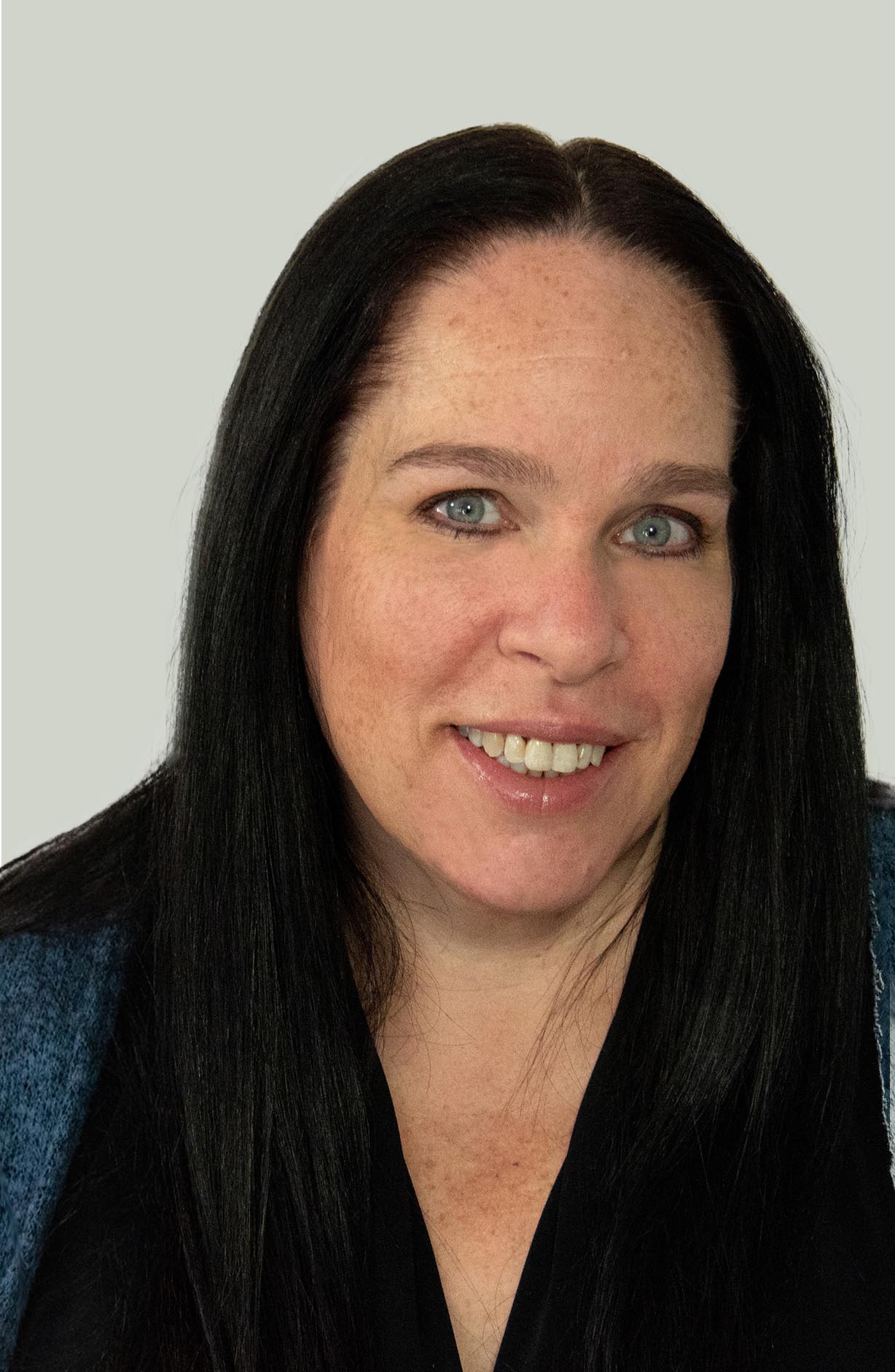
Stacey Eisenberg’s connection to senior care didn’t start with a job posting. It started at age three, in the activity room of a Coney Island nursing home where her mother worked. Growing up inside nursing homes in the 1970s and ’80s, she witnessed what genuine caregiving looked like before the industry got complicated by paperwork, liability, and the relentless pressure to do more with less. That became the standard she has spent her career trying to restore — bringing the Care back to caregiving.
By 13, Stacey had her first official job in senior care. Over the past four decades, she has worked across virtually every setting: nursing homes, assisted living communities, memory care residences, rehab centers, hospitals, and independent living. She served as Director of Fun for nearly 300 independently living seniors, coordinating daily events, activities, and outings.
Today, Stacey and her husband Bryan own A Place At Home – North Austin, an award-winning home care agency serving families across Round Rock, Georgetown, Cedar Park, Leander, Hutto, and surrounding Central Texas communities. Their agency has been voted Best Home Care Agency in Round Rock two years running (2024 and 2025) and received national recognition from Activated Insights as both a Best of Home Care Provider of Choice and Employer of Choice in 2025.
Stacey is a trained recreation therapist and serves as a Community Educator for the Alzheimer’s Association: Capital of Texas chapter. She serves as Treasurer on the Adult Protective Services Advisory Board and as Community Awareness Chair for the Aging Services Council. She co-facilitates the Williamson County Health Resource networking group and is a member of the National Aging in Place Coalition. In 2025, she was recognized as a finalist in the Woman of Wilco awards and is the creator of Peter’s Memory Beads, a passion project to raise funds for the Alzheimer’s Association.
Her expertise has been featured in U.S. News and World Report, AARP, and Care.com.