The house did not change, but the risks did.
Most families do not rethink care because of a diagnosis. They rethink it after a fall. The CDC reports that one in four adults over 65 falls each year, and falls remain the leading cause of injury related emergency room visits for older adults. Even more telling, most of those falls happen inside the home during ordinary daily activities, not risky behavior or extreme situations.
That reality matters more now than ever.
Recent regulatory shifts highlighted what many families already see. More staff on paper does not always translate to better care. When systems strain, the most consistent and personal support often happens at home. Research published in Health Affairs shows that expanded home based care leads to fewer hospitalizations, fewer emergency room visits, and higher patient satisfaction, especially for older adults with chronic conditions.
Once care can truly come to the house, the conversation changes. The question stops being how long this can work and becomes what needs to change so daily life works better right now.
Aging in Place Is No Longer Just Home Health
Not long ago, aging at home meant a narrow set of services. A nurse visit. A caregiver shift. Maybe therapy if timing lined up.
Today, the picture looks very different in many areas, including Central Texas. Mobile X rays and lab services come to the driveway. Barbers and massage therapists set up in the living room. Podiatrists and care teams arrive with equipment in hand instead of asking families to manage transportation and logistics alone.
This matters because research consistently shows that care delivered at home reduces stress on both patients and caregivers while improving outcomes. When care comes to the house, the house itself becomes part of the care plan.
The Bathroom Still Tells the Truth
No amount of expanded care changes this.
Bathrooms remain the highest risk area in the home because they demand balance, strength, and coordination all at once. The National Institute on Aging notes that bathrooms and bedrooms top the list for fall locations because of routine movements like bathing, toileting, and nighttime trips.
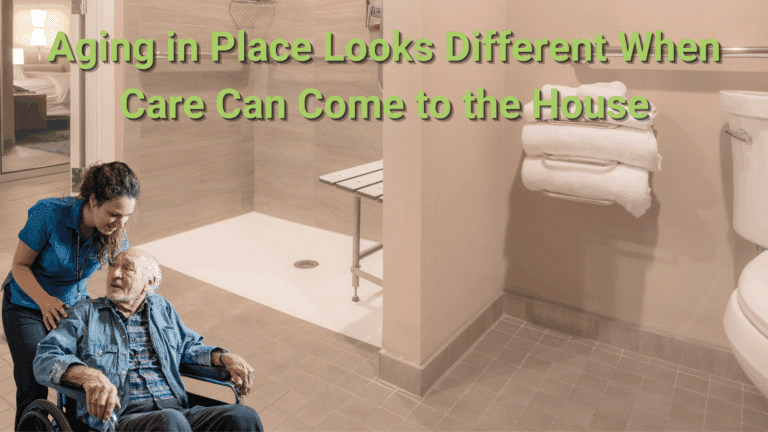
Walk-in showers with benches reduce effort and fear. Handheld showerheads with slide bars adjust as needs change. Taller toilets or risers protect joints before pain turns into limitation. Grab bars matter, but thoughtful placement matters more than quantity.
Hygiene deserves honesty too. When wiping and reaching become difficult, dignity erodes quickly. Bidet attachments ease strain, lower infection risk, and help people care for themselves longer. Home based clinicians see this difference every day.
Entryways Decide Independence Faster Than Diagnoses
One fall often leads to another.
Clinical research shows that after a first fall, the risk of falling again increases significantly, especially when the home environment remains unchanged.
Safe, step free access allows people to leave the house, receive services, and return home without stress. It also allows mobile providers to do their jobs safely and efficiently.
Ramps do not need to announce themselves. Gradual walkways and low profile threshold solutions protect function while blending into the home.
Lighting Supports Care You Cannot See
Fear of falling changes behavior even without injury.
Studies show that fear of falling leads to reduced activity, muscle loss, and faster functional decline, which increases fall risk over time.
Bright hallways reduce nighttime falls. Motion lights eliminate fumbling. Adjustable lamps aimed toward chairs reduce neck and shoulder strain during daily activities.
Good lighting restores confidence and helps visiting professionals work safely. It is one of the simplest changes with the biggest payoff.
Doors, Drawers, and Handles Make Room for Help
When services come inside, homes need to cooperate.
Wider doorways allow walkers, wheelchairs, and equipment to move without friction. Offset hinges add inches without major construction. Drawers work better than deep cabinets because bending steals balance. Lever handles beat knobs because grip strength fades early.
Environmental modifications reduce fall risk more effectively than medication changes alone.These updates rarely draw attention. They quietly reduce daily risk.
Bedrooms Must Support Care, Not Complicate It
Many falls happen at night, often between the bed and the bathroom.
Bed height controls confidence. Clear paths reduce nighttime accidents. Extra outlets support oxygen, CPAPs, and visiting equipment without cords crossing the floor.
A bedroom should restore energy and allow care to happen smoothly.
Laundry on the Main Floor Is a Safety Decision
Families smile when this comes up, then nod.
Carrying laundry up and down stairs becomes risky fast. A small stacked unit on the main floor reduces falls, conserves energy, and removes daily frustration. This single change often improves everyone’s mood.
Renovation Works Best With Professional Eyes
With expanded home based services, timing matters.
Occupational therapists trained in home modification understand how aging bodies move through space. They identify risks early and help families prioritize changes that prevent the next fall, not just respond to the last one. Many collaborate with contractors who understand function, not just structure.
That teamwork saves money and prevents regret.
And Sometimes the House Still Is Not the Answer
Even with better rules, better care, and thoughtful renovations, some homes still fight aging bodies at every turn. When that happens, exploring a different home can protect health, relationships, and sanity.
If a move enters the conversation, who you work with matters.
Realtors who specialize in senior relocation understand accessibility, community layout, transportation, tax considerations, and programs that may impact affordability. They see what others miss and ask the questions families have not learned to ask yet.
The goal stays the same. Safety, dignity, and support.
Whether care comes into the home you already love or into a new one designed to support the next chapter, the right environment makes everything else easier.
So ask yourself this…
If tomorrow feels harder than today, will this home help, or is it time to find one that will?
Frequently Asked Questions
1. What does "aging in place" entail when care can be provided at home?
Aging in place, in essence, means that an older adult can continue living in their own home safely and independently, or with minimal assistance, rather than moving to a long-term care facility. When care services are provided at home, this concept takes on a new dimension. It implies that the aging person's home environment can be modified and supplemented with various supportive services, which can range from medical care managed by visiting healthcare professionals to daily assistance with activities of living provided by caregivers. This approach can help seniors maintain their familiar routines and surroundings while simultaneously receiving the personalized care they require, which can profoundly impact their quality of life, emotional well-being, and overall health outcomes. As care comes to the house, it aims to address both the physical and emotional needs of individuals. It recognizes that homes can be adapted with grab bars, non-slip flooring, and improved lighting to prevent falls, while also providing access to community resources like meals on wheels or transportation services. The objective is to create a supportive, enriched environment that values independence, enhances safety, and delivers comprehensive care tailored to individual needs.2. Why are falls such a significant risk for older adults, and how can in-home care mitigate this risk?
Falls are a significant risk for older adults because they often lead to serious injuries such as fractures, head traumas, and other complications which can significantly impact an individual's mobility and independence. According to CDC statistics, falls are the leading cause of injury-related emergency room visits among seniors. The risk is elevated by factors such as declining balance, muscle weakness, vision impairment, and the side effects of medications. Environmental hazards at home, such as slippery floors, loose rugs, and poor lighting, further augment the likelihood of falls occurring during routine activities. In-home care can effectively mitigate these risks by incorporating a multifaceted strategy that includes both the evaluation and modification of the home environment. This might include the installation of grab bars and handrails, removal or securing of loose carpets, ensuring appropriate lighting, and provision of assistive devices, such as walkers or shower chairs. Additionally, caregivers or visiting healthcare professionals can offer mobility support and supervise activities that present a fall risk, while also encouraging and guiding exercises that improve strength and balance. With consistent monitoring and tailored interventions, in-home care helps significantly diminish the risk of falls, thereby promoting a safer, more secure living situation for aging adults.3. How can families proactively plan for in-home care before an incident, such as a fall, occurs?
Proactive planning for in-home care before a fall or other health incident occurs is crucial for ensuring the safety and well-being of aging adults. To start, families should engage in open and honest conversations with their loved ones about their current needs, future concerns, and long-term goals. Assessing the current home environment for potential hazards is a critical step—this may involve consulting with occupational therapists who can provide expert recommendations for modifications that promote safety. It is also essential to look into various home care options, which might include hiring professional caregivers for assistance with daily activities, arranging for regular visits from healthcare professionals, or utilizing home health technology solutions, such as personal emergency response systems or telehealth services. Further, familiarizing oneself with community resources, such as transportation services, meal delivery programs, and local support groups, can provide additional support networks that are invaluable as needs change over time. Financial planning is another vital consideration—families should explore funding options, insurance coverages, and potential government assistance programs that can help manage the costs associated with in-home care. By taking these steps early, families can create a robust plan that accommodates their loved one's desires to age in place while ensuring that they have access to the care and support they need.4. What are the emotional benefits of aging in place with in-home care for seniors?
Aging in place with the support of in-home care offers numerous emotional benefits for seniors. Primarily, remaining in a familiar environment helps preserve critical routines, personal possessions, and treasured memories, providing a sense of continuity and stability that fosters emotional security. This familiarity can alleviate the anxiety and stress that often accompany transitions to institutional settings, like assisted living facilities, which can be perceived as disruptive and disorienting. Additionally, aging in place allows seniors to maintain their independence and autonomy; they can exert more control over their schedules, daily activities, and personal care, which bolsters self-esteem and dignity. Having caregivers who come to the home fosters personalized, one-on-one relationships, further contributing to a sense of companionship and reducing feelings of loneliness and isolation. Access to in-home care can also empower older adults to continue engaging in personal hobbies and social activities within their community, enhancing their quality of life and emotional well-being. Ultimately, aging in place with the accompaniment of in-home care enriches the overall life experience for seniors, promoting joy, fulfillment, and emotional resilience as they navigate the aging process.5. Are there any challenges associated with in-home care for aging in place, and how can they be addressed?
While the benefits of in-home care for aging in place are plentiful, there are certain challenges that need to be acknowledged and addressed to ensure it is a successful experience for all involved. One challenge is the complexity of coordinating various services, particularly if multiple caregivers and healthcare professionals are required. To address this, families can work with care managers or agencies that offer comprehensive planning and oversight, ensuring seamless communication among all parties and the delivery of enthusiastic, holistic care. Financial constraints may also pose a challenge, as costs can accumulate, particularly for 24-hour care or specialized services. Families should explore all available options for financial aid, including government programs, long-term care insurance, and community resources, to alleviate this burden. Another potential challenge is resistance from older adults who may be hesitant to accept help or fear the loss of independence. Open dialogue and involving seniors in the decision-making process can help assuage these concerns. Tailoring care plans to include the participation of familiar faces, such as friends or family members, can also provide comfort. Lastly, there may be concerns about the quality and consistency of in-home care services—families should diligently research and select reputable providers, check credentials, and request references to ensure their loved ones receive the best possible care. By proactively identifying and managing these challenges, families can create a supportive environment where their loved ones can successfully and happily age in place.
Stacey Eisenberg’s connection to senior care didn’t start with a job posting. It started at age three, in the activity room of a Coney Island nursing home where her mother worked. Growing up inside nursing homes in the 1970s and ’80s, she witnessed what genuine caregiving looked like before the industry got complicated by paperwork, liability, and the relentless pressure to do more with less. That became the standard she has spent her career trying to restore — bringing the Care back to caregiving.
By 13, Stacey had her first official job in senior care. Over the past four decades, she has worked across virtually every setting: nursing homes, assisted living communities, memory care residences, rehab centers, hospitals, and independent living. She served as Director of Fun for nearly 300 independently living seniors, coordinating daily events, activities, and outings.
Today, Stacey and her husband Bryan own A Place At Home – North Austin, an award-winning home care agency serving families across Round Rock, Georgetown, Cedar Park, Leander, Hutto, and surrounding Central Texas communities. Their agency has been voted Best Home Care Agency in Round Rock two years running (2024 and 2025) and received national recognition from Activated Insights as both a Best of Home Care Provider of Choice and Employer of Choice in 2025.
Stacey is a trained recreation therapist and serves as a Community Educator for the Alzheimer’s Association: Capital of Texas chapter. She serves as Treasurer on the Adult Protective Services Advisory Board and as Community Awareness Chair for the Aging Services Council. She co-facilitates the Williamson County Health Resource networking group and is a member of the National Aging in Place Coalition. In 2025, she was recognized as a finalist in the Woman of Wilco awards and is the creator of Peter’s Memory Beads, a passion project to raise funds for the Alzheimer’s Association.
Her expertise has been featured in U.S. News and World Report, AARP, and Care.com.